
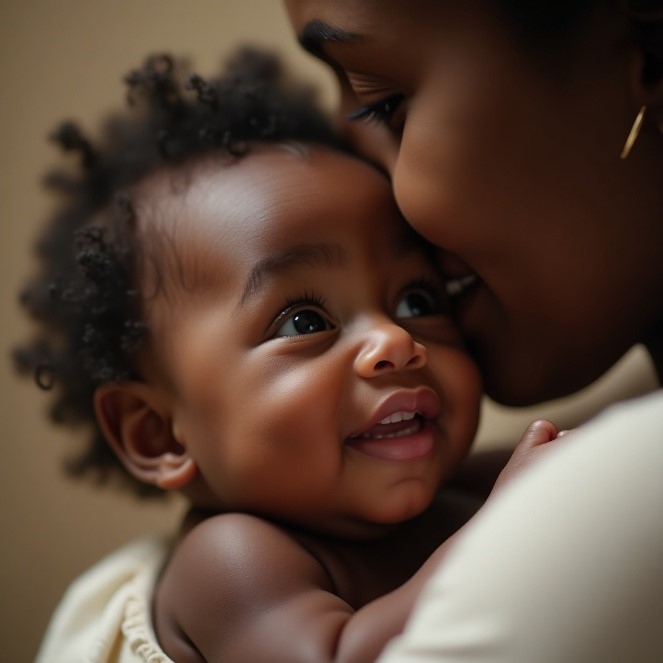
Understanding Your Newborn’s Cues: What Your Baby Is Trying to Tell You
Babies Speak Before They Talk
Your newborn may not use words, but they are constantly communicating. New moms often feel overwhelmed trying to figure out what each cry, squirm, or facial expression means. But once you learn to read your baby’s cues, parenting becomes easier, calmer, and far more enjoyable. This article helps you decode your newborn’s early language so you can respond with confidence.
Hunger Cues: The First Language of Newborns
Most fussiness in newborns comes from hunger—long before they start crying. Early hunger cues include:
- Rooting (turning toward your hand or clothing)
- Sucking on hands
- Lip smacking
- Opening and closing the mouth
Responding early prevents full crying spells and helps baby feed more calmly.
Sleep Cues: Catching the Window Before Overtiredness
Newborns can only stay awake 45–90 minutes at a time. Understanding this will help you to prepare your schedule around this, so you are ready to attend to baby and take care of other things when baby falls asleep.
Sleep cues include:
- Staring off
- Blinking slowly
- Rubbing eyes
- Yawning
- Sudden fussiness
When you catch these early, baby falls asleep faster and more peacefully—avoiding the dreaded overtired meltdown.
Discomfort Cues: When Something Feels “Off”
Your newborn may communicate physical discomfort through:
- Arching their back
- Pulling legs towards the tummy (gas)
- Squirming
- Turning their head away
This could signal gas, a wet diaper, a tight outfit, or temperature discomfort. Responding promptly helps build baby’s trust and security.
Overstimulation: When Baby Needs a Break
The world is bright, loud, and new. Signs your baby needs calm include:
- Crying suddenly
- Looking away
- Clenched fists
- Jerky movements
A simple pause—dim light, soft voice, gentle rocking—helps reset their nervous system.

The “I Need Attention” Cues
Newborns crave closeness. Signs they want comfort:
- Fussing when put down
- Small whimpers
- Trying to make eye contact
- Reaching movements
Holding, talking, and cuddling develop emotional security and strengthen the parent-child bond.
Understanding Cry Types
While every baby is different, many moms notice patterns:
- Hunger cry: Rhythmic and repetitive
- Tired cry: Soft whimpers building into fussing
- Pain cry: Sudden, sharp, high-pitched
- Overstimulation cry: Intense but stops when the environment is changed
Learning these helps you respond quickly and confidently.

You and Your Baby—A Growing Conversation
Every week, you’ll understand your baby more deeply. Learning your newborn’s cues transforms parenting from guessing to connecting. You’re not just responding—you’re building trust, security, and love. Mama, you’re doing beautifully. Your baby already sees you as their safe place.