
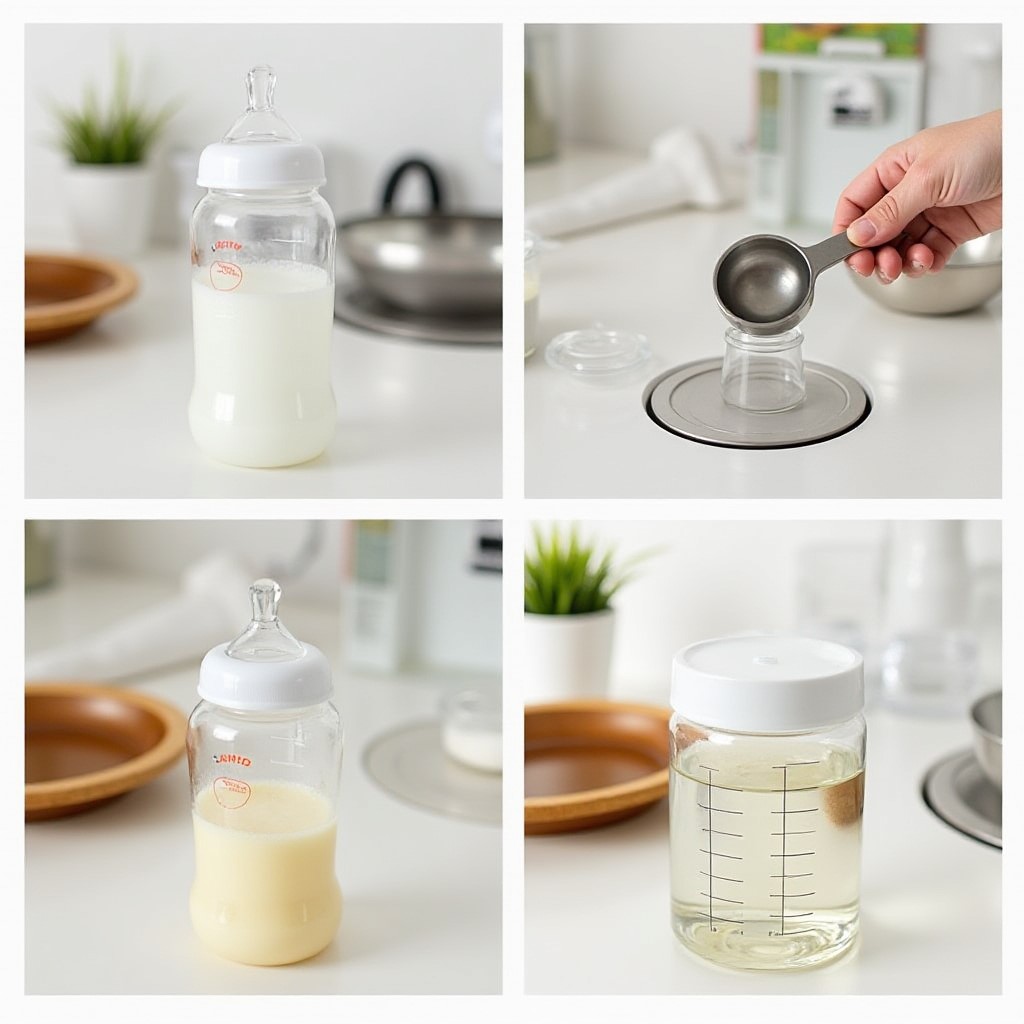
Formula Feeding Tips for New Parents: A Practical & Reassuring Guide
Formula feeding is a safe, healthy, and nurturing way to feed your baby. Whether you choose formula from the start or combine it with breastfeeding, what matters most is that your baby is well-fed, growing, and loved. For new parents, formula feeding can feel overwhelming at first—but with the right information and routine, it quickly becomes second nature.
- Choose the Right Formula
Most babies do well on standard cow’s milk–based infant formula unless a healthcare provider recommends otherwise. Some babies may need gentle, lactose-free, or hypoallergenic formulas. Avoid switching formulas frequently unless advised, as babies need time to adjust.
- Always Follow Preparation Instructions
Proper preparation is essential for your baby’s safety. Use the exact water-to-formula ratio listed on the container—never add extra powder or extra water. Too much powder can strain your baby’s kidneys, while too much water can reduce essential nutrients.
- Use Clean and Safe Water
If your tap water is safe for drinking, it’s usually fine for formula preparation. If unsure, use boiled and cooled water or bottled water suitable for infants. Always let freshly boiled water cool before mixing with formula.
- Sterilize Bottles and Feeding Equipment
In the early months, sterilizing bottles, nipples, and caps helps protect your baby from harmful bacteria. You can sterilize using boiling water, a steam sterilizer, or sterilizing tablets. Clean bottles thoroughly after every feed.
- Watch Baby’s Hunger Cues
Newborns typically feed every 2–4 hours. Look for early hunger signs such as lip-smacking, sucking motions, or restlessness. Crying is a late hunger cue. Feeding on demand helps your baby feel secure and satisfied.
- Hold Baby Close During Feeds
Formula feeding is still a powerful bonding experience. Hold your baby close, make eye contact, and talk softly during feeds. Avoid propping bottles, as this increases the risk of choking and ear infections.
- Burp Baby Regularly
Babies swallow air during bottle feeding. Pause halfway through the feed and again at the end to burp your baby gently. This helps reduce gas, discomfort, and spit-up.
- Don’t Force Baby to Finish the Bottle
Every baby has different appetite needs. Let your baby decide when they are full. Signs of fullness include turning away from the bottle, closing the mouth, or relaxing the

- Store and Reheat Formula Safely
Prepared formula can be stored in the refrigerator for up to 24 hours if untouched. Once a baby has drunk from a bottle, discard any remaining formula within one hour. Never microwave formula—use warm water instead to heat bottles evenly.
- Expect Emotional Adjustments
Some parents feel guilt or pressure about formula feeding—but remember, a fed baby is a healthy baby. Your love, care, and presence matter far more than how your baby is fed.
- Be Alert for Reactions
Watch for signs of intolerance such as persistent vomiting, rash, diarrhea, or excessive fussiness. If concerns arise, consult a pediatrician before changing formulas.
- Create a Calm Feeding Routine
Feeding time should be unhurried and peaceful. A consistent routine helps both baby and parent feel confident and relaxed, especially during nighttime feeds.