

Postpartum Healing, Mental Health, and Breastfeeding Basics
For Mom Loves Baby — warm, practical support for the first weeks after birth
Congratulations, Mama — you did an incredible thing. The weeks after birth are a time of healing, learning, and huge emotional shifts. This guide walks you through gentle, evidence-based advice on post-birth healing, mental health support, and breastfeeding basics so you can feel prepared and supported.
- Post-birth Healing: What to expect and gentle care
What’s normal in the first days and weeks
After birth your body begins a healing process: your uterus shrinks, bleeding (lochia) continues and changes color over several weeks, and perineal soreness or C-section incision tenderness is common. Most people need rest, simple pain relief, and time to recover. Routine postnatal checkups are important — many guidelines recommend early contact in the first 48–72 hours and follow-ups in the first 1–2 weeks and again around 6 weeks. ncbi.nlm.nih.gov+1
Vaginal birth care
- Perineal care: Use a peri bottle (warm water spray), gentle cleansing, ice packs in the first 24 hours if suggested, and sitz baths after the first day to ease discomfort. Start pelvic-floor (Kegel) exercises when comfortable to help recovery. Watch for heavy bleeding, fever, or worsening pain and call your provider if these happen. Maternity Matters Dorset
- Tears or stitches: Follow your midwife’s instructions for wound care. Keep the area clean, avoid straining on the toilet (fiber + fluids help), and use stool softeners if prescribed.
C-section recovery
- Incision care and activity: Keep the incision clean and dry, avoid heavy lifting for several weeks, and wear loose clothing. Pain is often managed with paracetamol or ibuprofen unless your clinician advises otherwise. Ask your care team when it’s safe to drive or return to normal activities. nhs.uk+1
Common physical issues and simple relief
- Hemorrhoids & constipation: Use stool softeners, fiber, fluids, and gentle topical treatments as recommended.
- Breast changes: Engorgement, leaking, or sore nipples are common — see breastfeeding section for tips.
- Energy & sleep: Honor rest when possible; accept help from friends and family. Healing needs time.
When to seek urgent care: heavy soaking of pads, high fever, severe abdominal pain, breathlessness, chest pain, or signs of wound infection — contact your provider or emergency services immediately. ncbi.nlm.nih.gov
- Mental Health Support: Baby blues vs. postpartum depression
Understand the difference
- Baby blues are common, usually starting a few days after birth and resolving within 1–2 weeks. Symptoms include tearfulness, mood swings, and mild anxiety.
- Postpartum depression (PPD) is more intense, lasts longer, and may include feelings of hopelessness, severe anxiety, trouble bonding with baby, or thoughts of harming yourself or your baby — it affects many parents and is treatable. Screening and early support matter. nhs.uk+1

Signs that you should reach out
- Persistent sadness, panic or anxiety that won’t ease
- Difficulty sleeping even when baby is sleeping (or sleeping too much)
- Trouble concentrating or making decisions
- Not enjoying things you used to enjoy, or difficulty bonding with your baby
- Thoughts of harming yourself or the baby — seek help immediately (call emergency services or a crisis line)
The CDC and other health bodies recommend routine screening for depression in the perinatal period and connecting parents to counseling, support groups, or medication when needed. Asking for help is a strength — and early treatment improves outcomes for both parent and baby. CDC+1
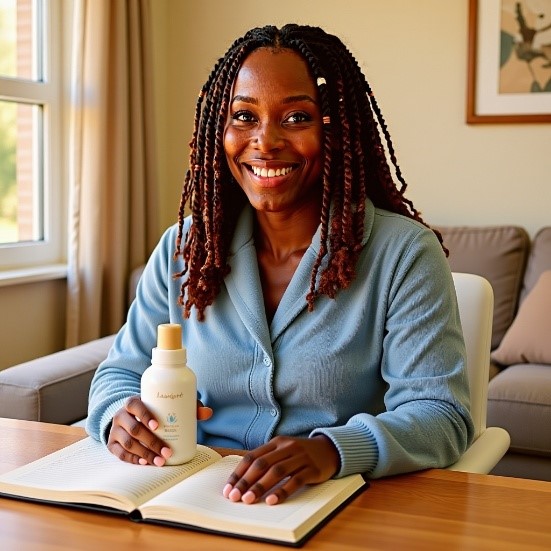
Practical support strategies
- Tell a trusted person how you feel — partner, friend, family, or your clinician.
- Accept help with baby care, meals, and chores so you can rest.
- Build a small plan: one easy goal a day (short walk, shower, call a friend).
- Professional help: consider counselling, mother-baby groups, or medication if advised. Many communities offer perinatal mental health services — ask your clinic for local resources. (If you’re in South Africa, local helplines and mental-health resources can help in a crisis.) sadag.org
- Breastfeeding Basics: Getting started with confidence
Start early if you can
Skin-to-skin contact and starting breastfeeding within the first hour after birth support milk production and baby’s temperature and breathing regulation. World Health Organization and UNICEF recommend initiating breastfeeding early and exclusively breastfeeding for about the first 6 months when possible. World Health Organization
Getting a good latch and positions
- Signs of a good latch: wide open mouth, baby takes a large amount of areola into their mouth (not just the nipple), no sharp nipple pain after the first few sucks, and you can hear swallowing.
- Common positions: cradle hold, cross-cradle, football (helpful after C-section), and side-lying for night feeds. Use pillows for support and bring baby to breast height. Resources like UNICEF/La Leche League show helpful step-by-step guidance on positions and attachment. UNICEF+1
Feeding cues & frequency
Newborns feed frequently — often 8–12 times in 24 hours. Watch for rooting, hand-to-mouth, lip smacking, and small restless movements. Feed on demand; this helps build supply and keeps baby hydrated and nourished. World Health Organization
Common breastfeeding challenges and tips
- Sore nipples: Check latch; try different positions, express a little colostrum onto the nipple after feeding, and allow nipples to air dry. Seek support from a lactation consultant if pain persists.
- Engorgement: Frequent feeding, warm showers before feeding and cold compresses after can help. Express a little milk to soften the breast if baby has trouble latching.
- Low supply concern: Feed often, ensure effective latch, and ask a lactation consultant for techniques; avoid unnecessary supplementation unless recommended by your clinician.
Support & pumping
If you’ll be away or returning to school/work, learn safe expressing and storage of breastmilk. A lactation consultant or local breastfeeding support group can help you create a plan that fits your life and goals. Many hospitals and community clinics offer lactation support—ask for referral before discharge.
Practical Checklists (Quick)
Post-birth care at home
- Rest, hydrate, and eat nutrient-rich meals.
- Use peri bottle, sitz baths, or ice as needed for perineal care.
- Gentle pelvic-floor exercises when comfortable.
- Attend scheduled postpartum visits (first 3 days, 1–2 weeks, ~6 weeks). ncbi.nlm.nih.gov

Mental health
- Ask someone to check in daily for the first 2 weeks.
- Keep a list of local mental-health resources and crisis numbers.
- If thoughts of harming yourself or baby appear — call emergency services now.
Breastfeeding
- Aim for skin-to-skin and first feed soon after birth.
- Watch feeding cues; expect frequent feeds.
- Get help early from a lactation consultant if you have pain or worries. World Health Organization+1
Final warm note for Mom Loves Baby readers
Healing after birth is not a race — it’s a gentle road. Celebrate each small step: your body is recovering, your baby is learning, and asking for help is one of the bravest things you can do. You are not alone — reach out, accept support, and trust that warmth, rest, and small routines will carry you forward.
Sources & further reading
- WHO — Postnatal Care Recommendations. World Health Organization
- WHO & UNICEF — Breastfeeding guidance (early initiation and exclusive breastfeeding). World Health Organization
- CDC — Maternal Mental Health & Depression screening guidance. CDC
- NHS — Postnatal recovery and C-section recovery advice. nhs.uk+1
- StatPearls / NCIB — Postpartum care & recommended postnatal visit schedule. ncbi.nlm.nih.gov